The short version
- Fix the boring stuff first: roof, HVAC, electrical, plumbing, drainage.
- Curb appeal: limewash or schmear the brick, paint trim and door, replace overgrown shrubs.
- Inside: paint paneling, update the fireplace, refresh bathrooms with grout paint and caulk.
- Keep the ranch's character - long low lines, big windows, built-ins.
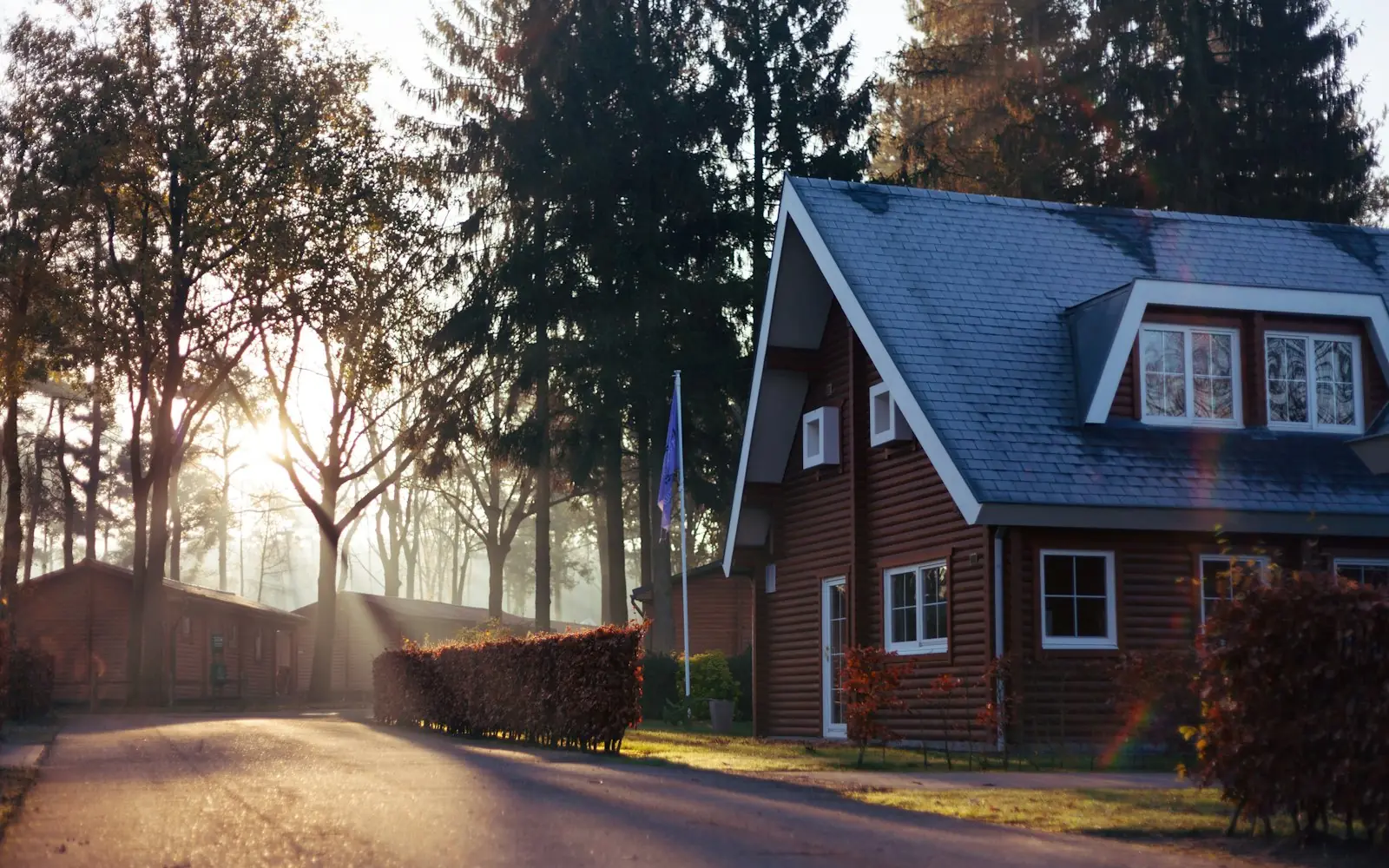
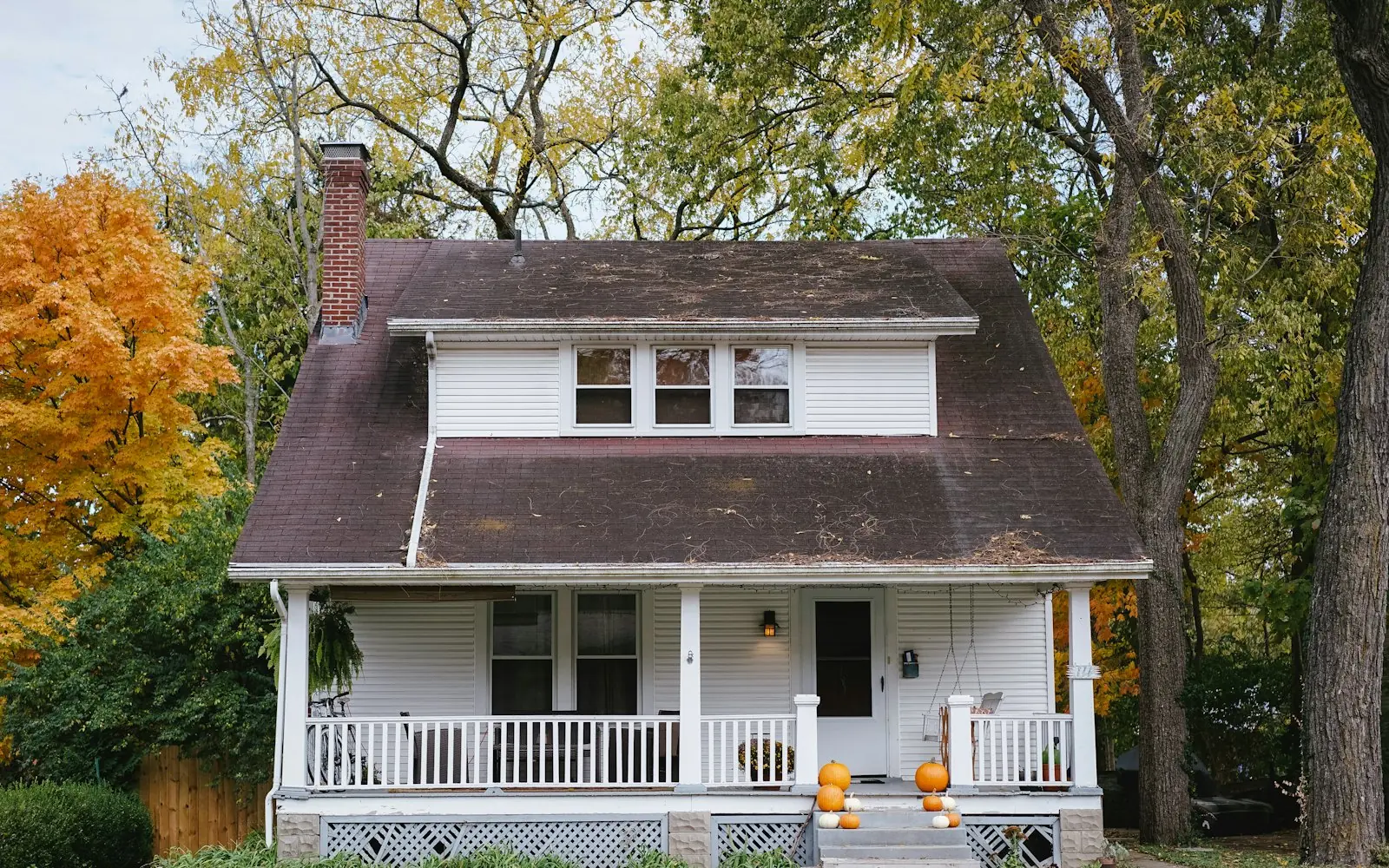
The Dogwood House is our second 1960s brick ranch, and I'll admit it: I love them. Solid brick, single-level living, big lots with mature trees and simple layouts that are easy to update. They also tend to come with dark paneling, tiny bathrooms and yards that haven't been touched in decades. Here's our room-by-room plan for turning ours into a modern farmhouse.
Phase 1: The unglamorous stuff
Before any paint swatches, we had the house inspected again and made a list of what protects the structure and keeps us safe: roof condition, gutters and grading (water away from the foundation), the electrical panel, plumbing and HVAC. It's not exciting, but you don't want to redo a beautiful bathroom because of a leak you ignored.
Phase 2: Curb appeal
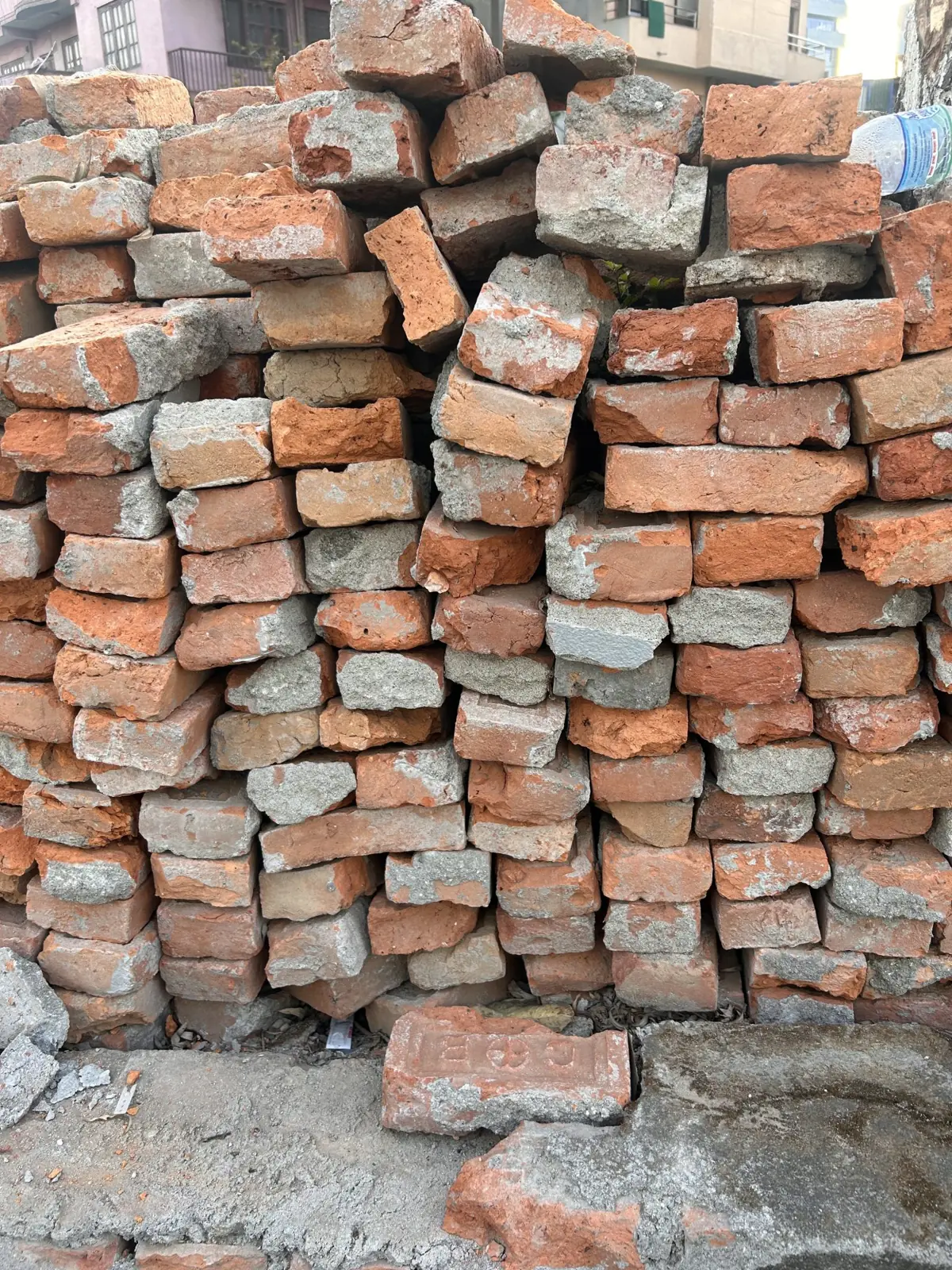
- Lighten the brick. We're planning a limewash on the exterior (see schmear vs. limewash vs. whitewash).
- Clear the shrubs. Done! Here's how we removed the overgrown shrubs, and what we planted instead.
- Front door and trim. A stained wood or deep-color door and black trim instantly read "farmhouse."
- Porch. Our dream is to deepen the front stoop into a covered porch with simple posts.
Phase 3: The living room
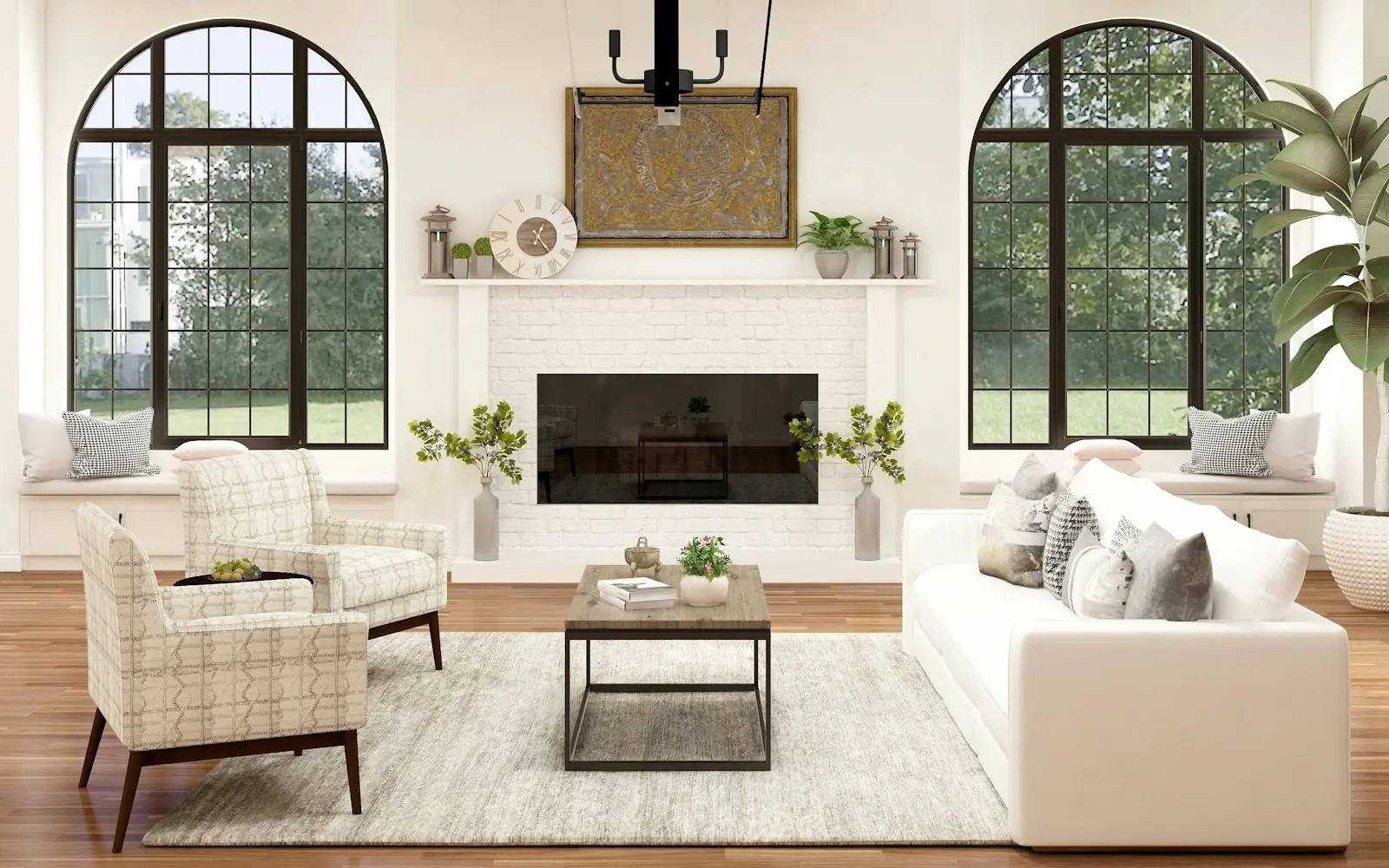
Paint the paneling, German schmear the fireplace, add layered lighting and swap heavy drapes for linen panels. More in our modern farmhouse living room ideas.
Phase 4: Bathrooms on a budget
Full gut renovations will come eventually. For now: remove the wallpaper, paint the grout, re-caulk the tub, new lighting and hardware. More ideas in budget bathroom makeovers.
Phase 5: The kitchen
The 1960s layout works well, so we're keeping the footprint. Plan: paint the cabinets, new counters, a tile backsplash and an open shelf where an upper cabinet blocks the window.
What to keep
Ranches have character worth preserving: long, low rooflines, big picture windows, original built-ins and hardwood floors hiding under carpet. Update around them instead of erasing them.
Plan your own budget
We keep a running list for every phase. Use the planner to start yours:
DIY Project Budget Planner
| Item | Qty | Unit price |
|---|
Your list saves automatically in this browser. Nothing is sent anywhere.
Common 1960s ranch issues to check
- Electrical: original panels, two-prong outlets and too few circuits for modern kitchens. Get an electrician's eyes on it early.
- Plumbing: galvanized supply lines corrode from the inside and reduce water pressure; cast-iron drains can crack.
- Insulation: attics from this era are often thinly insulated. Adding blown-in insulation is one of the best returns on investment there is.
- Windows: original single-pane windows are drafty, but sometimes worth restoring rather than replacing - get quotes for both.
- Hazardous materials: homes of this age may contain asbestos (popcorn ceilings, some floor tiles) or lead paint. Test before you sand, scrape or demo.
If you suspect asbestos or lead, stop and test. Inexpensive test kits and local labs can tell you what you're dealing with before you disturb it.
Small changes with big farmhouse impact
| Project | DIY cost | Impact |
|---|---|---|
| Paint front door and shutters | $50-$100 | High |
| New house numbers, mailbox and porch light | $100-$250 | High |
| German schmear an interior fireplace | $40-$90 | High |
| Paint interior paneling | $150-$300 per room | Very high |
| Replace foundation shrubs | $200-$600 | High |
Frequently asked questions
How do you make a ranch house look like a farmhouse?
Add a covered front porch or deeper overhang, lighten the brick with limewash or German schmear, use board-and-batten accents, black windows or trim, a wood front door, and lush, layered landscaping.
What should I renovate first in an old house?
Anything that protects the structure or affects safety: roof, drainage, electrical, plumbing and HVAC. Cosmetic projects come after - otherwise you risk redoing them.
Is it worth renovating a 1960s ranch?
Often, yes. They tend to be solidly built, single-level, on generous lots in established neighborhoods, with simple layouts that are easy to update.