The short version
- Score the paper lightly, then soak it with a hot water and fabric softener (3:1) or vinegar (1:1) solution.
- Wait 10-15 minutes and scrape at a low angle with a wide plastic scraper - let the water do the work.
- Wash off the leftover glue; residue causes paint to crack and bubble.
- Seal torn drywall paper (brown spots) with an oil-based or shellac primer before patching.
- Prime with a stain-blocking primer before painting.
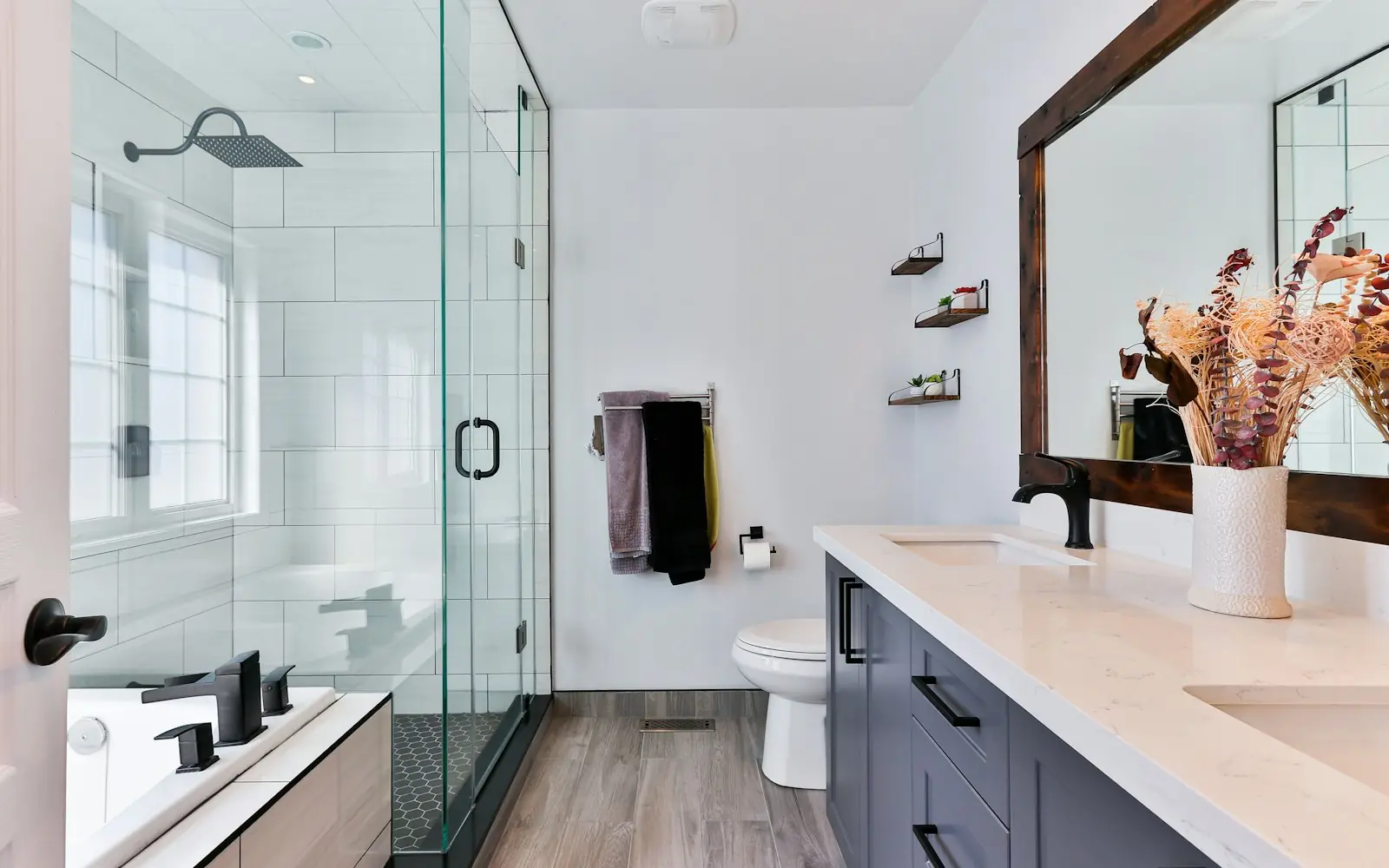
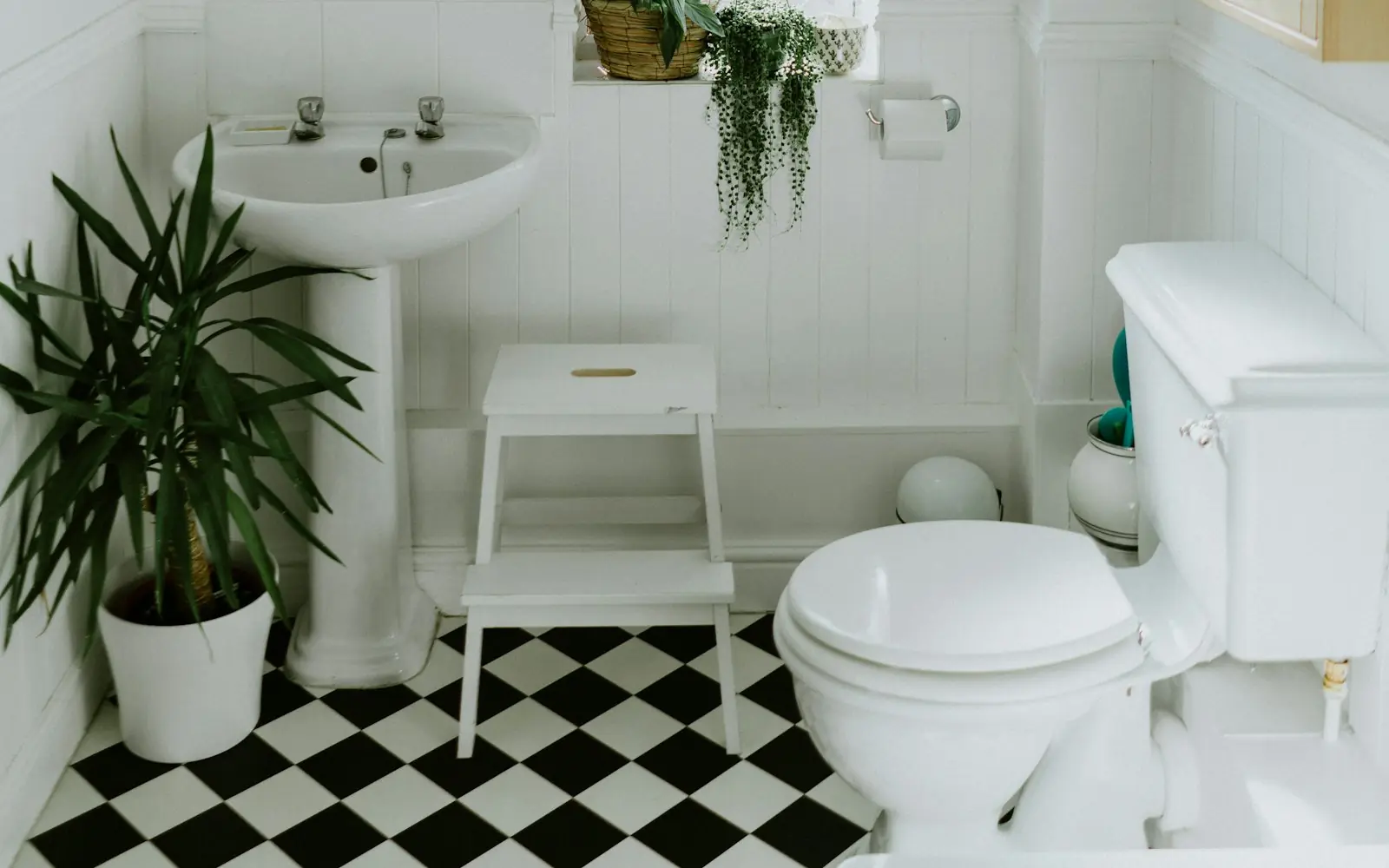
Our hall bathroom came with wallpaper that I'm pretty sure was installed when shoulder pads were in fashion. Removing wallpaper has a scary reputation, but on drywall it's honestly easier than you think. All you need is hot water, a sponge or spray bottle and a little patience. Keep reading to see how we removed the wallpaper, repaired the walls and painted the bathroom for a totally fresh look.
First, figure out what kind of wallpaper you have
Grab a corner with a putty knife and pull.
- It peels off in big sheets: you have strippable paper. Lucky you - pull it dry, then wash off the paste.
- Only the top layer comes off: it's peelable (vinyl over a paper backing). Pull the vinyl face off, then soak the backing.
- Nothing budges: traditional paper. Score and soak.
What you'll need
- Scoring tool (optional, use lightly)
- Spray bottle or garden pump sprayer
- Hot water + fabric softener or vinegar
- Wide plastic scraper / 6" putty knife
- Large sponge and bucket
- Drop cloths and old towels
- Oil-based or shellac primer (for torn spots)
- Joint compound, sanding sponge
Turn off power to the room at the breaker and remove outlet covers and switch plates before you start spraying water on walls.
Mix your homemade wallpaper remover
You don't need expensive chemical strippers. A homemade mix works beautifully. Tell the calculator about your room and it'll tell you how much to mix:
Wallpaper Remover Mix Calculator
Mix in small batches - the solution works best hot. Plan on about a gallon for every 80 sq ft per layer, re-wetting stubborn spots.
Step 1: Score the wallpaper (lightly)
Run a scoring tool over the wall in light circles to make tiny perforations so the solution can get behind the paper. Go easy - pressing hard punches holes in the drywall face. On paper that already absorbs water, you can skip this step.
Step 2: Soak it
Spray or sponge the solution on generously, working one section (about 3×3 feet) at a time. Keep the solution hot - mix small batches. Wait 10-15 minutes so it can soften the paste. Re-wet any area that starts to dry out.
Step 3: Scrape at a low angle
Hold a wide plastic scraper at a shallow angle and push gently under the paper. If it's fighting you, it's not ready - re-wet and wait a few more minutes. Let the water do the work, not your arm. That's the secret to removing wallpaper from drywall without gouging the wall.
Step 4: Wash off the glue
This is the step everyone wants to skip and shouldn't. Wallpaper paste left on the wall will make new paint crack, bubble or "alligator." Sponge the walls with clean hot water (a little dish soap helps), rinse your sponge often, and run your hand over the wall - if it feels slick or tacky, wash again. Let the walls dry overnight.
Step 5: Repair the drywall
Even when you're careful, you'll probably end up with a few torn spots where the brown paper face of the drywall shows through. Those brown spots on drywall are the one thing you must not paint or mud directly over - they'll bubble.
- Seal the brown spots with an oil-based or shellac-based primer and let it dry.
- Skim with joint compound. Feather it out thin with a wide knife.
- Sand smooth with a fine sanding sponge once dry, and wipe off the dust.
Step 6: Prime and paint
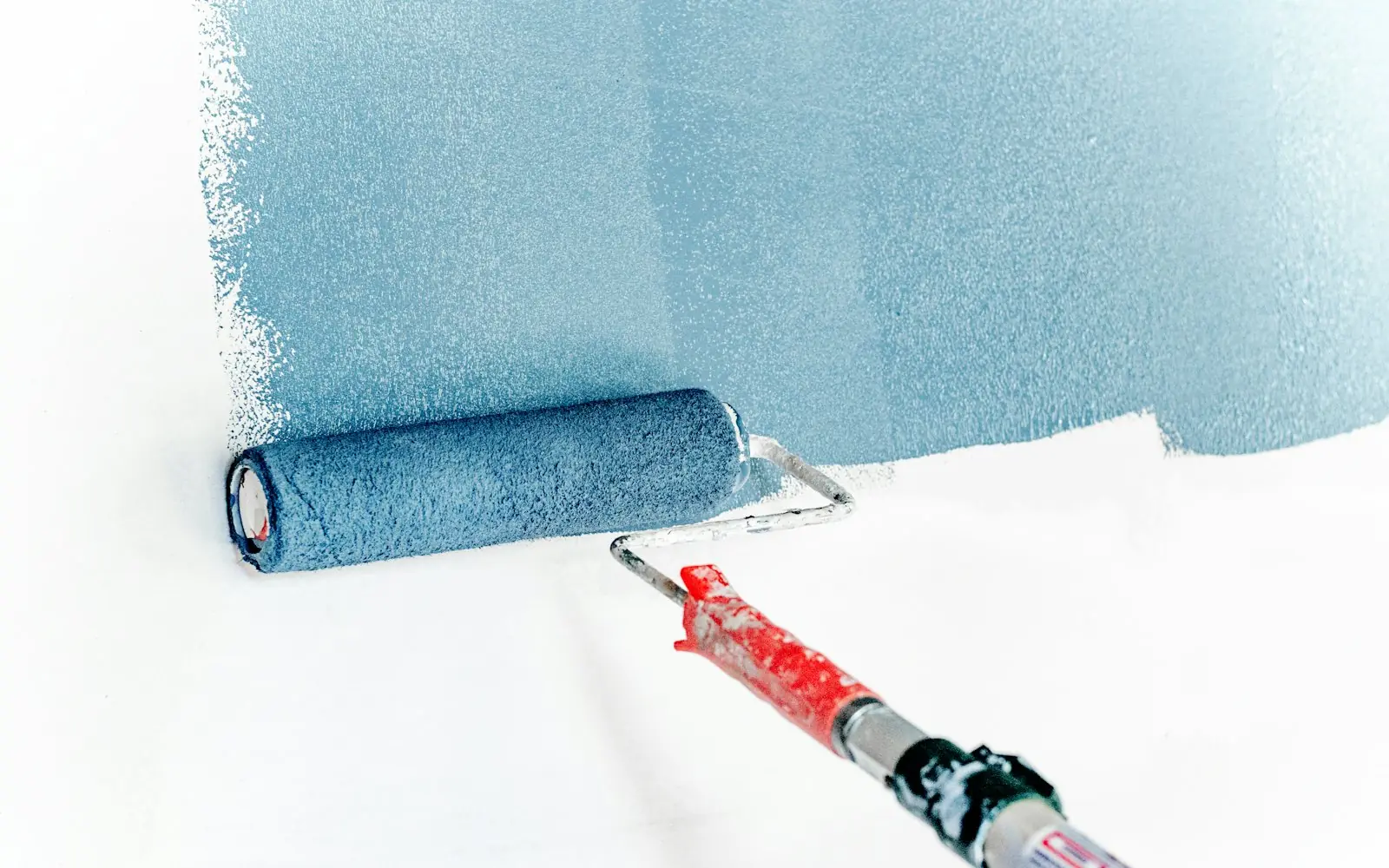
Prime the whole wall with a good primer to seal any lingering adhesive and patches - this is the best way to get a smooth, even paint finish after wallpaper removal. Then paint! We went with a soft, light color that made our small bathroom feel twice as big. Not sure how much paint to get? Try our room paint calculator.
Wallpaper removal tips
- Protect the floor and baseboards with towels - the paper and water get everywhere.
- Multiple layers? Remove them one at a time; soak each layer.
- Plaster walls are more forgiving than drywall and can take a steamer.
- Removing wallpaper border: same process, but borders are often on painted walls with heavy paste - expect to soak twice.
- Got a steamer? Use it on plaster or very stubborn paper, but be careful on drywall; steam can soften the paper face.
Once the walls were done, we tackled the grout and caulk in the same bathroom - see painted grout for under $20 and how to re-caulk a tub.
Frequently asked questions
What is the easiest way to remove wallpaper?
Score the surface, spray it with a hot water and fabric softener solution (or vinegar and water), let it soak 10-15 minutes and scrape gently with a wide plastic scraper. Peelable and strippable papers may come off dry - always try pulling a corner first.
What is the best homemade wallpaper remover?
Hot water mixed with liquid fabric softener at roughly 3 parts water to 1 part softener, or equal parts hot water and white vinegar. Both break down wallpaper paste; the softener version smells nicer and is gentler on drywall.
How do you remove wallpaper from drywall without damaging it?
Never soak drywall until it's mushy. Use just enough solution to soften the paste, scrape at a shallow angle with a plastic scraper, and stop and re-wet instead of forcing it. If the brown paper face of the drywall tears, seal it with an oil-based or shellac primer.
What causes brown spots on drywall after removing wallpaper?
That's the drywall's paper face exposed where it tore. It will bubble if you put water-based paint or joint compound directly on it. Seal it first with an oil-based or shellac-based primer, then skim with joint compound, sand and prime again.
How do I remove a wallpaper border?
Exactly like full wallpaper: score it, soak it with remover solution, and scrape. Borders are often applied over painted walls with strong paste, so be patient with multiple soaks.
Do I need to prime after removing wallpaper?
Yes. Wash off all glue residue, then use a primer made for the job (a stain-blocking or oil-based primer is safest). It seals any leftover adhesive and patched spots so your paint goes on evenly.