The short version
- Red clay is actually nutrient-rich - its problems are drainage and compaction, not fertility.
- Amend the whole bed with 2-3 inches of compost worked into the top 8-12 inches, not just the planting hole.
- Dig holes 2-3× wider than the root ball but no deeper; plant slightly high so the crown sits above grade.
- Mulch 2-3 inches deep and water deeply but less often.
- Choose clay-tolerant plants - dogwoods, hollies, coneflowers, black-eyed Susans, hostas and daylilies.
When we moved to North Carolina, I quickly learned two things about the yard: everything stains orange, and half of what I planted gave up by July. Red clay has a reputation for being impossible, but it's actually full of nutrients. The trick is working with it instead of against it. Here's what finally worked for us - no landscaping company required.
Fun fact: these are the same beginner tips that ended up quoted when Realtor.com asked gardeners for advice for people who think they have a black thumb.
Understand what red clay is (and isn't)
Red clay gets its color from iron oxide. Its particles are tiny and flat, so they pack tightly together. That's why clay:
- Holds nutrients well - good news for plants.
- Drains slowly - roots can rot in wet weather.
- Compacts and cracks - hard as a brick in a dry summer.
So the goal isn't to replace your soil, it's to give it structure so water and air can move through it.
Tip 1: Test before you dig
A simple drainage test tells you a lot. Dig a hole about 12 inches deep, fill it with water and let it drain. Fill it again and time it. Less than an inch per hour? Plan on raised beds or berms. A basic soil test from your county extension office (inexpensive in most states) will also tell you your pH and what nutrients you're missing.
Tip 2: Amend the whole bed, not just the hole
This is the biggest beginner mistake (and I made it): digging a hole in clay and filling it with fluffy bagged soil. It creates a bathtub - water pours into the soft soil and has nowhere to go. Instead:
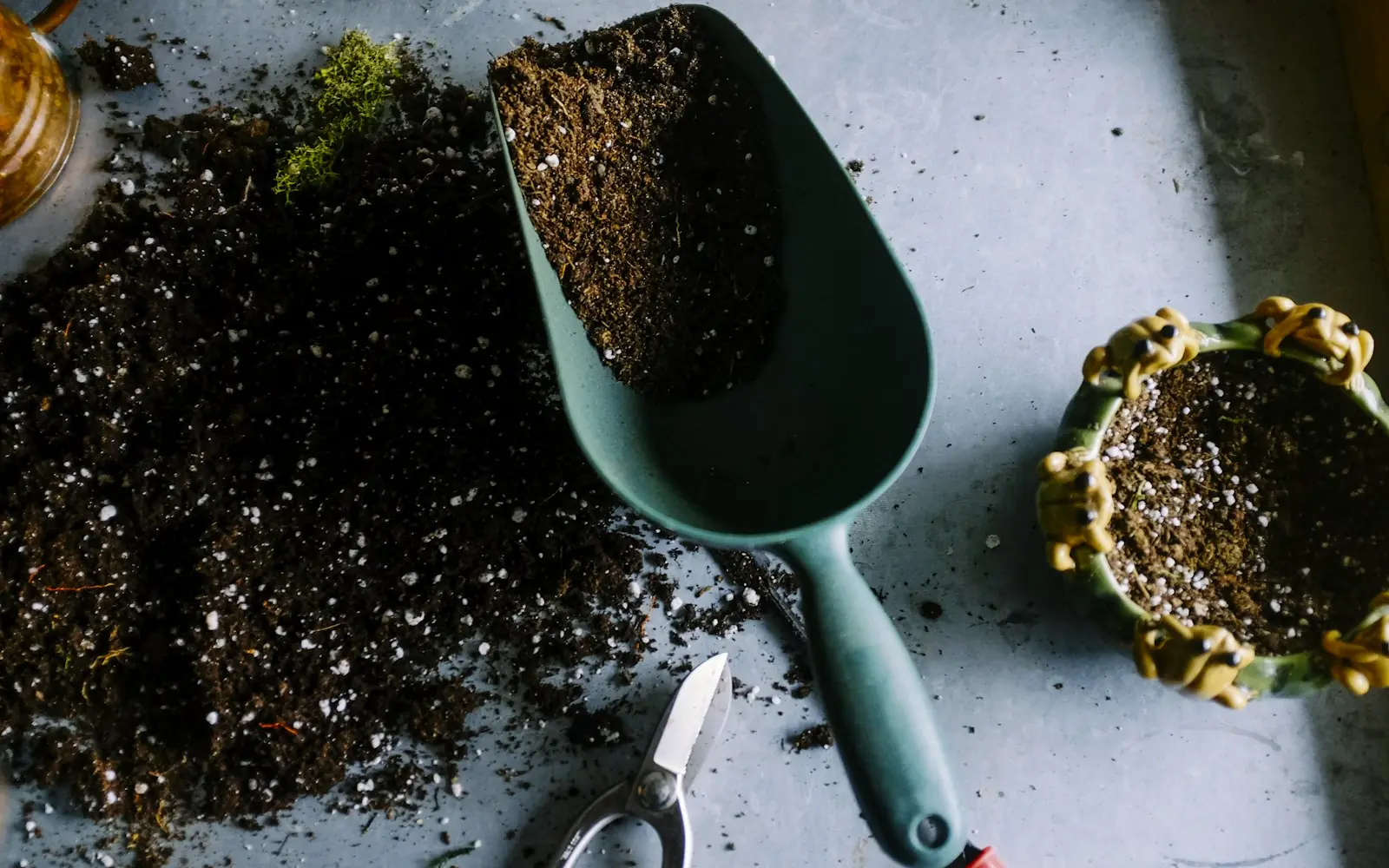
- Spread 2-3 inches of compost (or composted pine bark fines) over the entire bed.
- Work it into the top 8-12 inches with a garden fork or tiller when the soil is slightly moist - never when it's wet and sticky.
- Repeat a lighter top-dressing every year. Clay gets better every season you feed it organic matter.
Use the calculator to work out how much compost or soil you need for your bed:
Mulch & Soil Calculator
Bulk is usually cheaper above about 2 cubic yards. Keep mulch a few inches away from foundations and plant stems.
Tip 3: Dig wide, plant high
For shrubs and trees, dig the hole two to three times wider than the root ball but no deeper. Roughen the sides of the hole with your shovel so roots don't circle in a smooth clay "pot." Set the plant so the top of the root ball sits an inch or two above the surrounding soil, then mound soil up to it. In clay, slightly high is always better than slightly low.
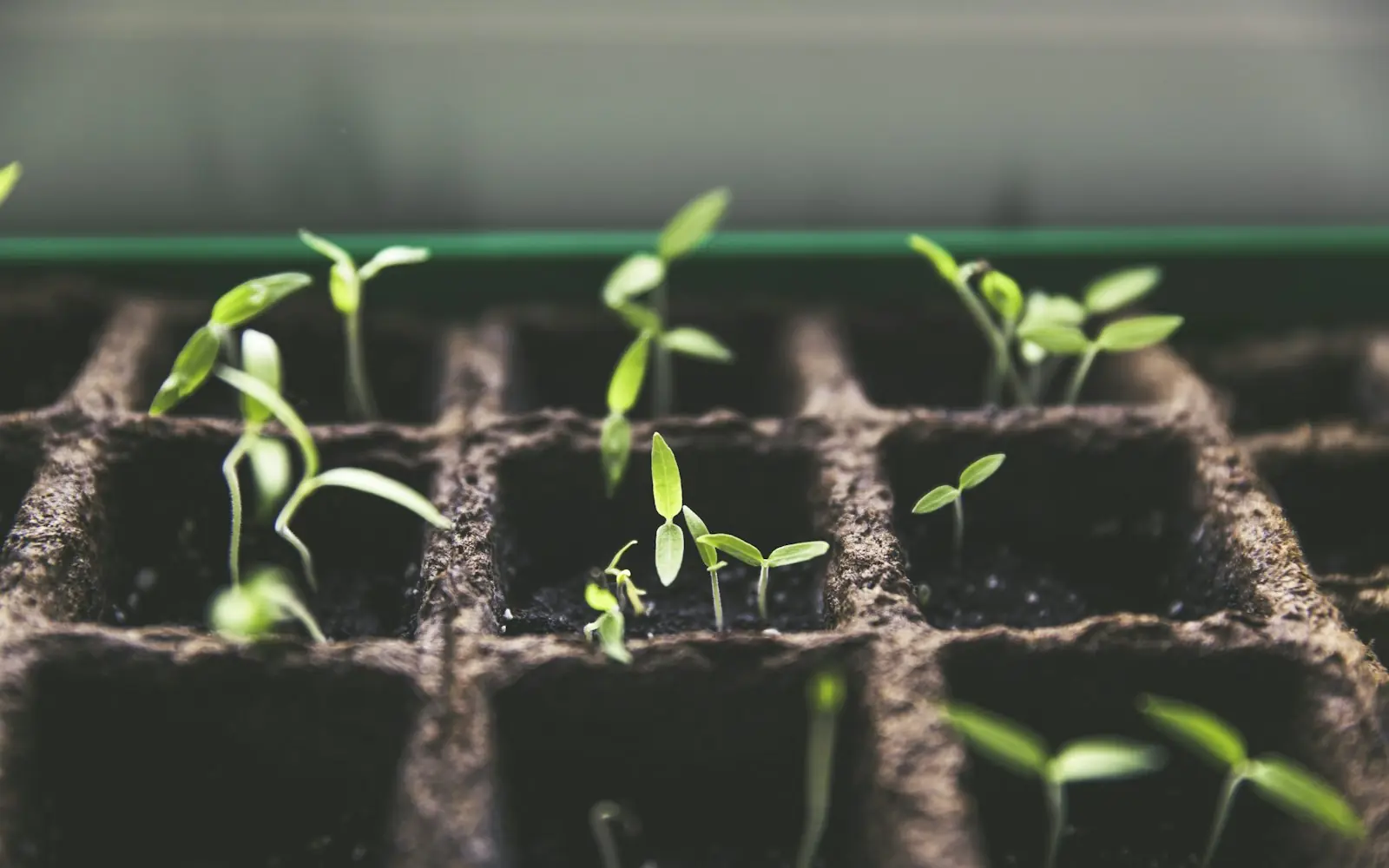
Tip 4: Planting dogwoods in clay soil
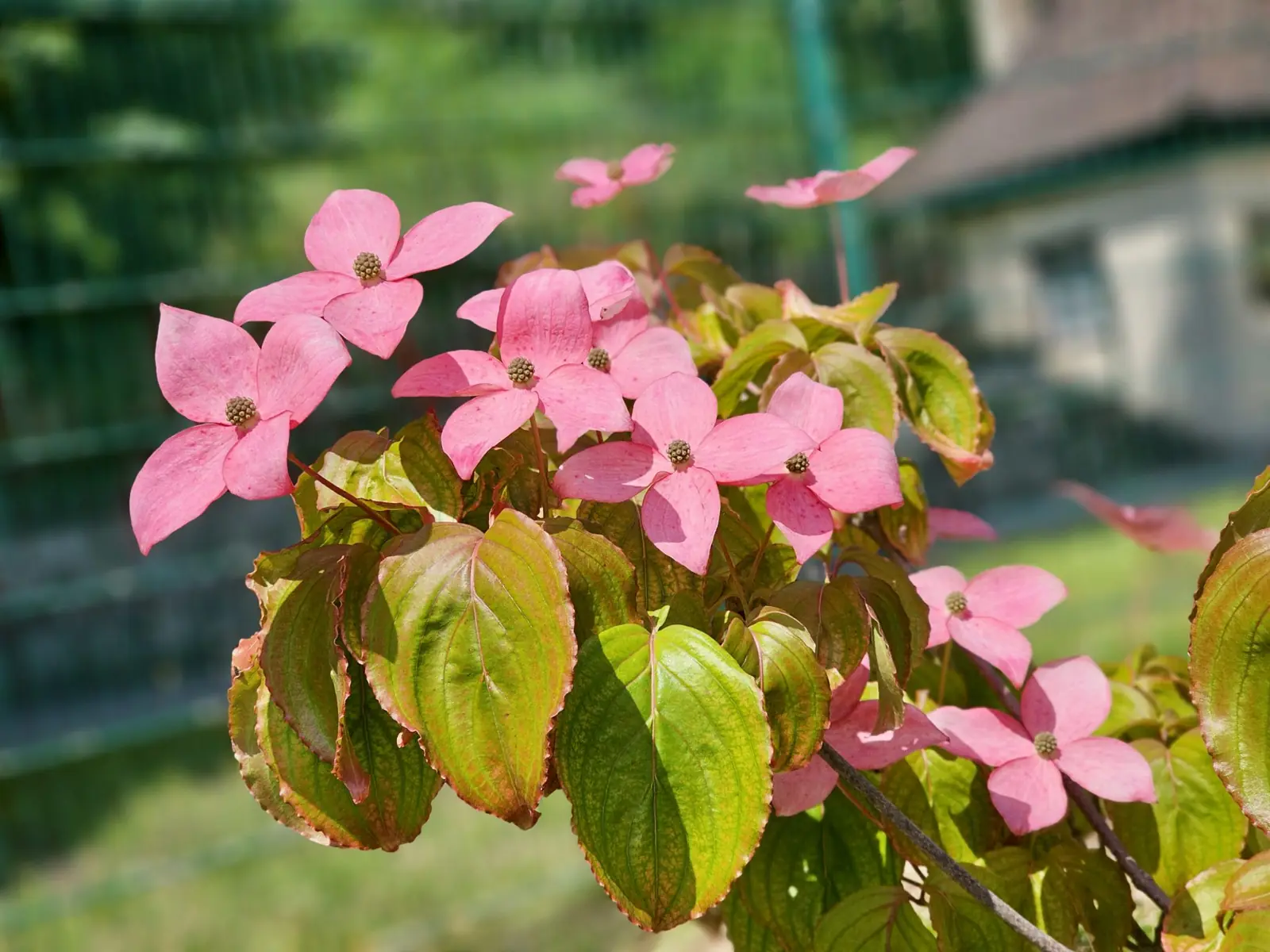
We get this question more than any other (it's in our name, after all). Dogwoods do grow in clay - most of the Southeast's native dogwoods grow in it naturally - but they hate soggy roots. Plant high, amend a wide circle with compost, keep mulch a few inches from the trunk, and give them some afternoon shade. Full details are in how to plant a dogwood tree.
Tip 5: Mulch, mulch, mulch
Two to three inches of shredded hardwood or pine bark mulch keeps clay from baking hard in summer, reduces weeds and slowly breaks down into organic matter that improves the soil. Keep mulch pulled back from stems and tree trunks - no "mulch volcanoes."
Tip 6: Water deeply, less often
Clay holds water for a long time. Frequent shallow watering keeps the surface wet and the roots shallow. Water deeply once or twice a week (more for new plantings in the heat), and check moisture by pushing a finger a couple of inches into the soil before you water again.
Best plants for red clay soil
| Type | Clay-tolerant favorites |
|---|---|
| Trees | Flowering dogwood, red maple, river birch, redbud |
| Shrubs | Holly, viburnum, hydrangea, boxwood (with good drainage), abelia |
| Perennials | Coneflower, black-eyed Susan, daylily, hosta, aster, bee balm |
| Grasses | Switchgrass, little bluestem, muhly grass |
Clearing out an old bed first? Here's how we handled removing overgrown shrubs, and our picks for the best shrubs for the front of a house.
Frequently asked questions
How do you improve red clay soil?
Add organic matter - compost, aged pine bark fines or leaf mold - across the whole bed and mix it into the top 8 to 12 inches. Repeat every year by mulching with organic materials that break down. Avoid adding sand alone; sand plus clay can make a concrete-like mix.
Can dogwoods grow in clay soil?
Yes. Flowering dogwoods grow in clay as long as it drains. Plant them slightly high - with the top of the root ball an inch or two above the surrounding soil - amend a wide area with compost and mulch well. They dislike sitting in water.
What grows well in red clay soil?
Clay-tolerant favorites include dogwoods, red maples, river birch, hollies, viburnum, hydrangea, coneflower, black-eyed Susan, daylilies, hostas, asters and many native grasses.
Should I put garden soil in the planting hole?
Not by itself. Filling a hole in clay with fluffy bagged soil creates a "bathtub" that holds water around the roots. Amend a wide area, or mix a little compost into your native soil when backfilling.
How can I tell if my clay soil drains?
Dig a hole 12 inches deep, fill it with water and let it drain, then fill it again and time it. If it drains less than an inch per hour, plant in raised beds or berms, or choose plants that tolerate wet feet.