The short version
- Plant in fall or early spring, in a spot with morning sun and afternoon shade.
- Dig wide and shallow; set the root flare slightly above grade, especially in clay.
- Mulch a 3-foot circle 2-3 inches deep, keeping it off the trunk.
- Water deeply weekly for the first two summers.
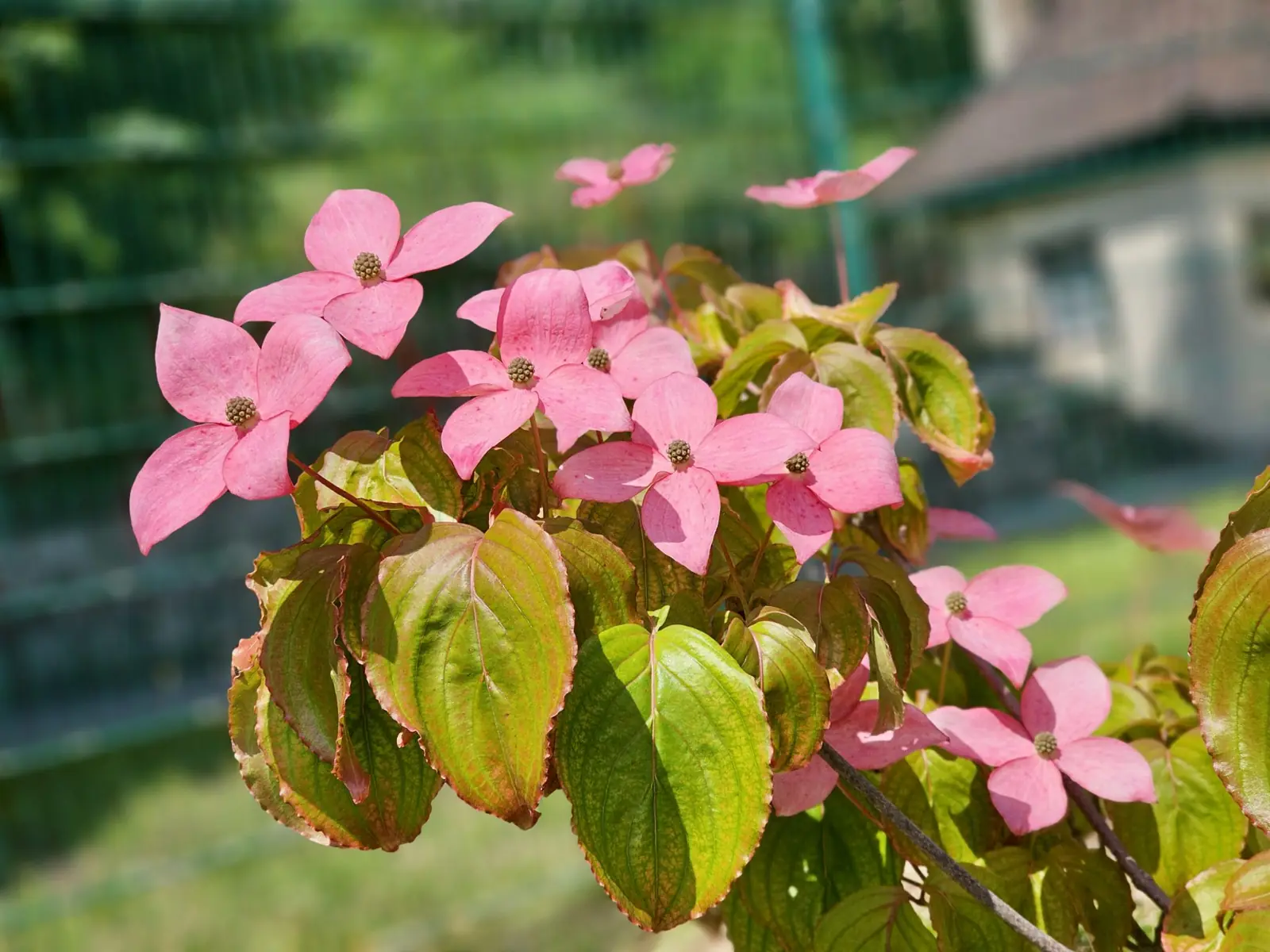
- Kousa dogwoods are more disease-resistant; native flowering dogwoods bloom earlier.
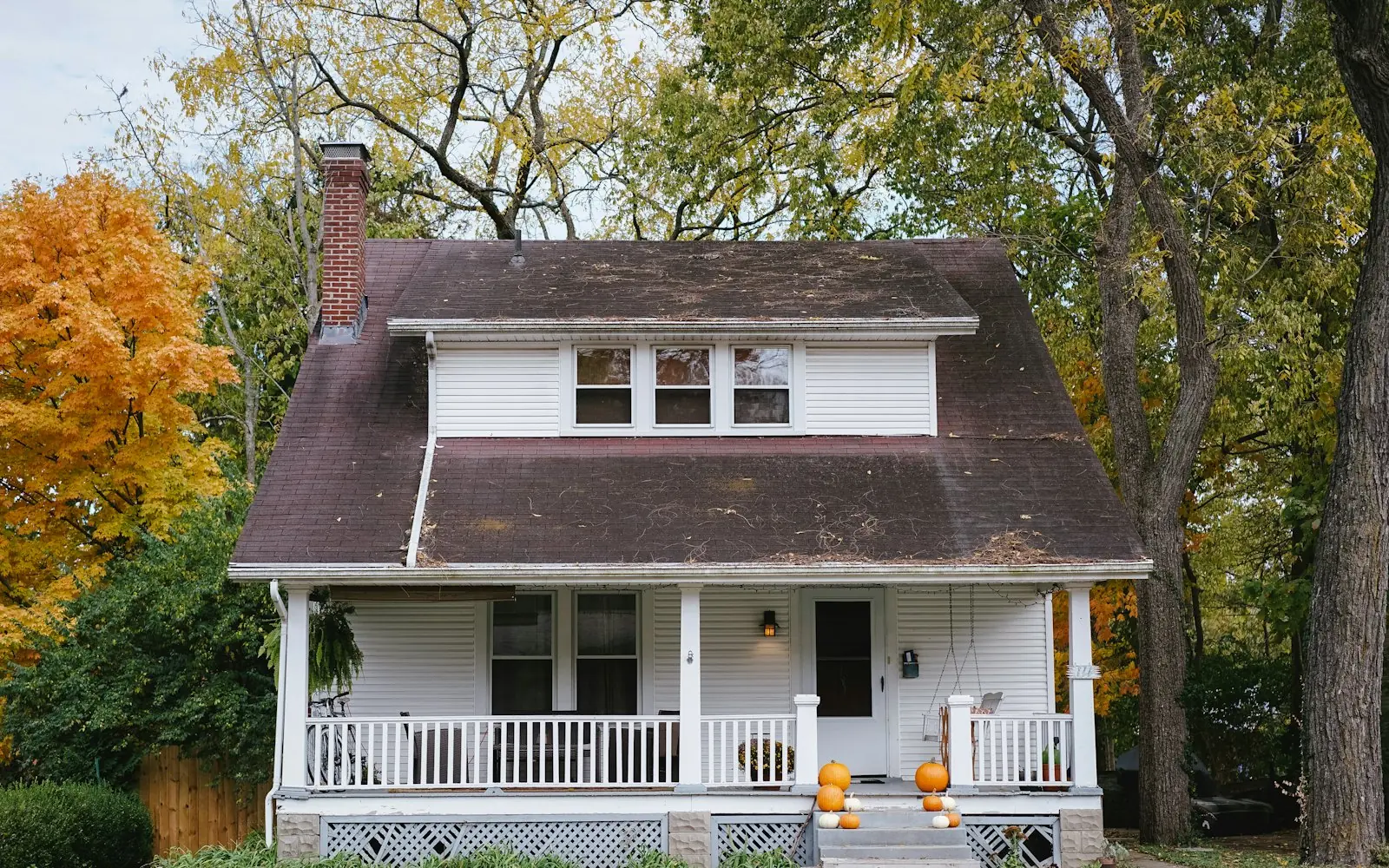
Every April, the dogwoods in our yard bloom and the whole neighborhood glows white and pink for a couple of weeks. It's why we call this place the Dogwood House. When we decided to add another one at the corner of the front bed, I wanted to do it right - dogwoods can be a little particular, but planted well, they'll bloom for decades.
Choose the right dogwood
| Type | Bloom time | Size | Good to know |
|---|---|---|---|
| Flowering dogwood (Cornus florida) | Early spring, before leaves | 15-25 ft | Native to the eastern US; red fall color and berries birds love |
| Kousa dogwood (Cornus kousa) | Late spring, after leaves | 15-25 ft | More disease- and sun-tolerant; raspberry-like fruit |
| Hybrid (Stellar series) | Between the two | 15-20 ft | Combines florida flowers with kousa toughness |
Pick the perfect spot
In the wild, dogwoods grow at the edges of forests - dappled light, rich soil, shelter from the hottest sun. Recreate that: morning sun and afternoon shade, well-drained soil, and enough room for a 20-foot spread. Keep them away from downspouts and low spots that stay soggy.
How to plant a dogwood tree
- Call 811 to have utilities marked before you dig.
- Dig wide, not deep. Make the hole 2-3 times as wide as the root ball and exactly as deep. Rough up the sides.
- Find the root flare. Gently remove soil from the top of the root ball until you see where the trunk widens into roots. That flare must sit at or slightly above ground level.
- Loosen the roots. Tease apart circling roots on container trees; remove burlap and wire from the top of balled-and-burlapped trees.
- Set it high in clay. In heavy clay, set the root ball 1-2 inches above grade and taper soil up to it.
- Backfill with native soil mixed with a little compost, firming gently to remove air pockets. Don't fertilize at planting.
- Water deeply - a slow soak - and build a low soil ring around the edge of the root ball to hold water.
- Mulch 2-3 inches deep in a 3-foot circle, pulled back a few inches from the trunk.
Planting in red clay? Read our beginner gardening tips for red clay soil - especially the part about amending the whole area rather than just the hole.
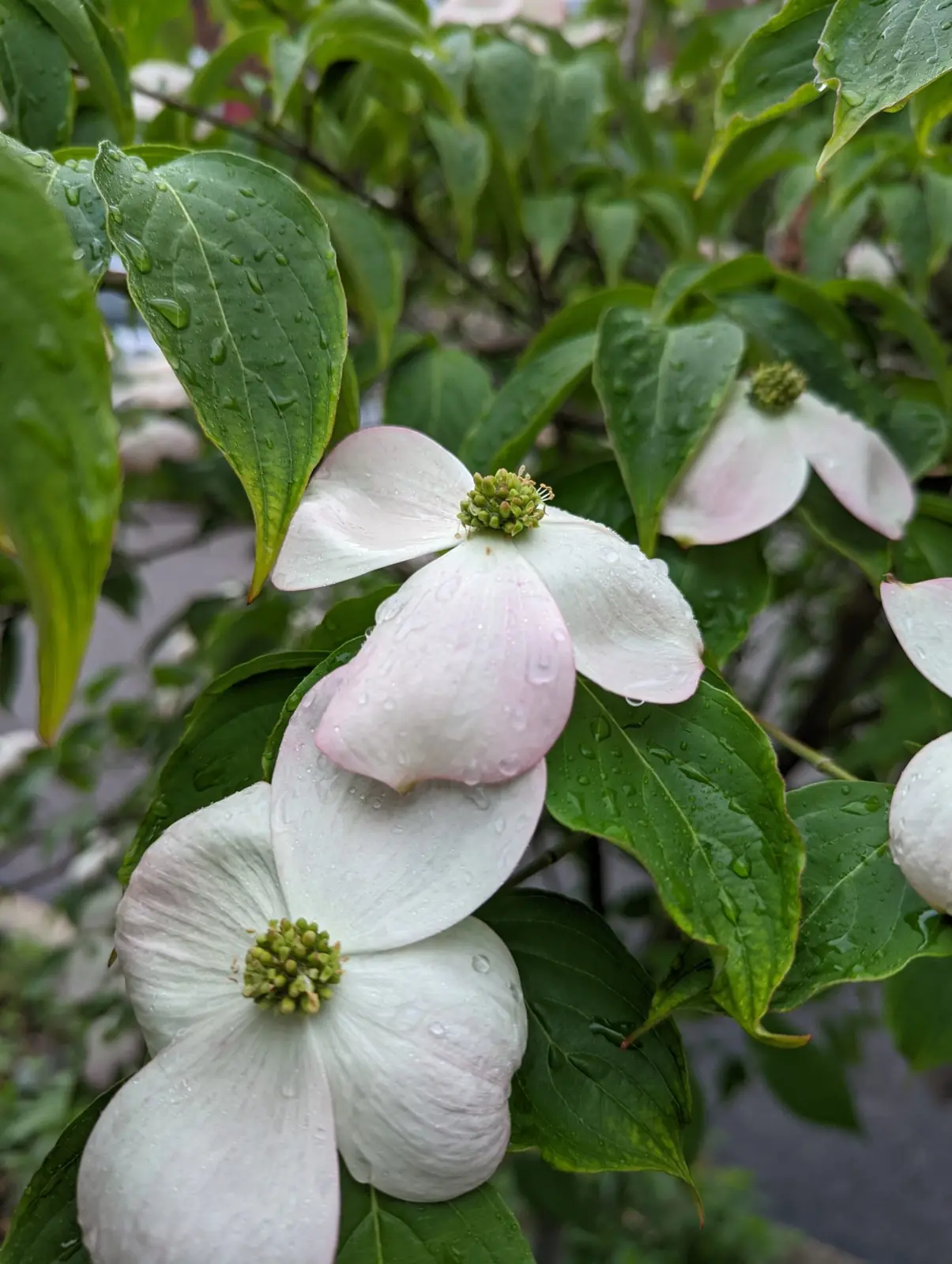
Caring for your dogwood
- Water: about an inch a week for the first two summers, more during heat waves. Dogwoods are shallow-rooted and show drought stress quickly (curled, scorched leaves).
- Fertilize lightly: a slow-release, balanced fertilizer in early spring, starting the second year.
- Prune right after flowering - only to remove dead, crossing or low branches. Next year's flower buds form in summer.
- Protect the trunk from string trimmers and mowers; bark wounds invite borers.
Common dogwood problems
Powdery mildew (white film on leaves) and anthracnose (tan spots, twig dieback) are the big two, both worse in humid, crowded, shady spots. Good air flow, watering at the base instead of overhead and raking up fallen leaves help a lot. Kousa and Stellar hybrids are much more resistant.
Planting a whole new bed around it? Here are our picks for the best shrubs for the front of a house.
Frequently asked questions
When is the best time to plant a dogwood tree?
Fall, after the heat breaks but at least six weeks before the ground freezes, is ideal - roots grow through the cool months. Early spring before buds open is the next best time.
Where should I plant a dogwood?
In a spot with morning sun and afternoon shade, in well-drained soil, ideally at the edge of larger trees the way dogwoods grow in the wild. Avoid low spots that stay wet and full afternoon sun in hot climates.
How fast do dogwood trees grow?
Slowly to moderately - about 1 to 2 feet per year - reaching 15-25 feet tall and wide at maturity.
Why isn't my dogwood blooming?
Common causes are too much shade, a young tree (it can take a few years after planting), pruning at the wrong time (after midsummer removes next year's buds) or drought stress the previous summer.
What's the difference between kousa and flowering dogwood?
Flowering dogwood (Cornus florida) is native to the eastern US and blooms in early spring before leafing out. Kousa dogwood (Cornus kousa) blooms a few weeks later after leaves appear, has pointed bracts and is more resistant to anthracnose and powdery mildew.