The short version
- Overwatering kills more houseplants than anything else - check the soil first.
- Match the plant to your light, not the other way around.
- Pots with drainage holes are non-negotiable.
- Start with pothos, snake plant, ZZ plant or spider plant.
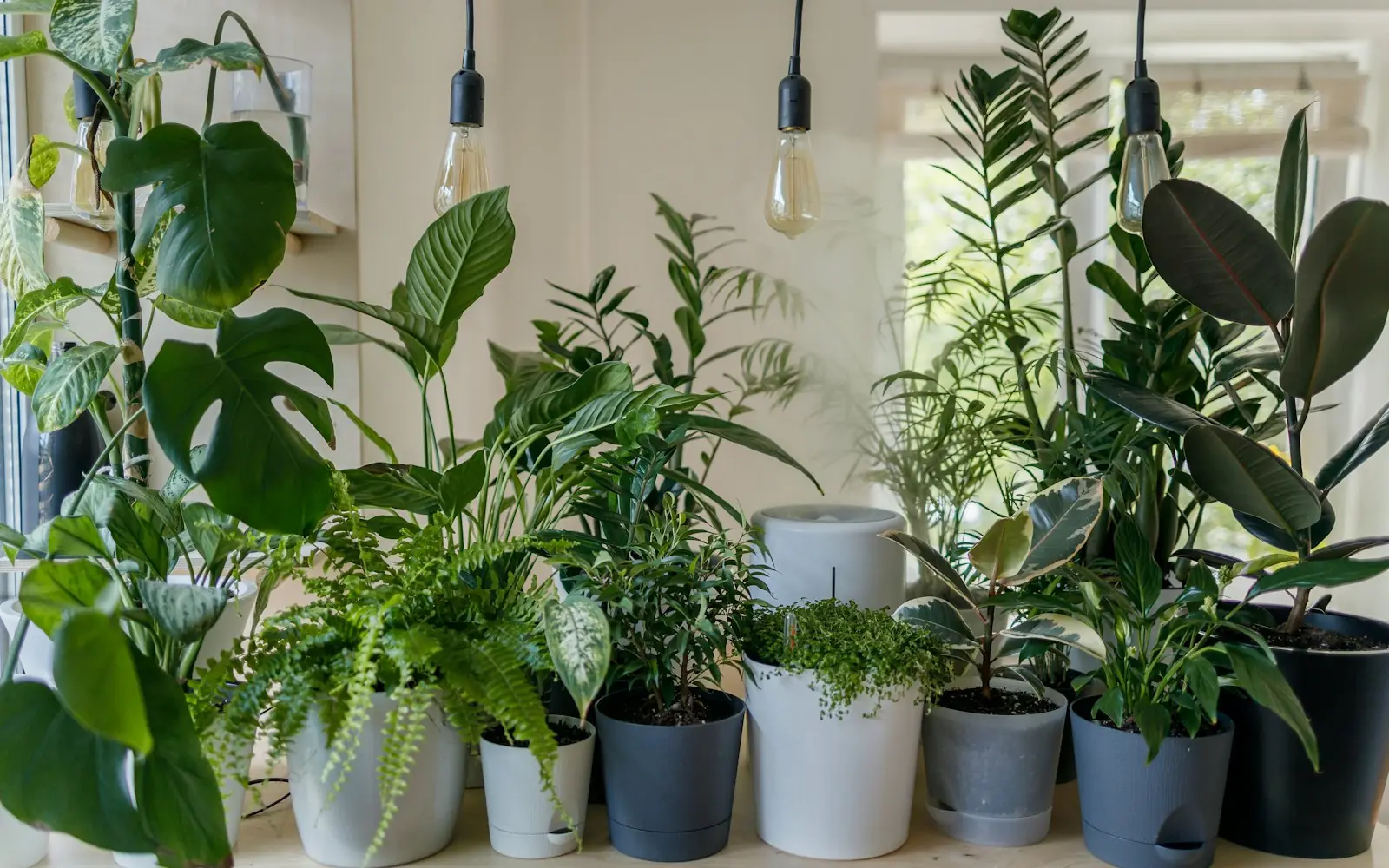
I was once firmly in the black-thumb camp - I've killed more than my share of grocery-store plants. What changed wasn't some secret talent, it was picking forgiving plants and learning one big lesson: most houseplants die from too much love (water), not too little. Here are ten that put up with beginners.
Three rules that fix most problems
- Check before you water. Push a finger into the soil. Dry an inch or two down? Water thoroughly until it drains. Still damp? Wait.
- Drainage holes always. Put the nursery pot inside a decorative pot if you love one without holes.
- Match the light. Read the tag, then put the plant where it will be happy, not just where it looks good.
10 easy houseplants
| Plant | Light | Water | Why it's easy |
|---|---|---|---|
| Pothos | Low to bright indirect | When top 2" dry | Droops dramatically when thirsty, perks right back up |
| Snake plant | Low to bright | Every 2-4 weeks | Nearly indestructible |
| ZZ plant | Low to medium | Every 2-4 weeks | Stores water in its rhizomes |
| Spider plant | Medium to bright | When top 1" dry | Pet-safe, makes free baby plants |
| Peace lily | Low to medium | When it droops | Tells you exactly when it's thirsty |
| Rubber plant | Bright indirect | When top 2" dry | Big, glossy leaves, grows into a tree |
| Philodendron (heartleaf) | Low to bright indirect | When top 2" dry | Trails beautifully from shelves |
| Cast iron plant | Low | When top 2" dry | Lives up to its name in dark corners |
| Parlor palm | Low to medium | Keep lightly moist | Pet-safe, soft and leafy |
| Aloe vera | Bright, some sun | Every 2-3 weeks | Useful and nearly care-free |
Styling plants in a farmhouse home
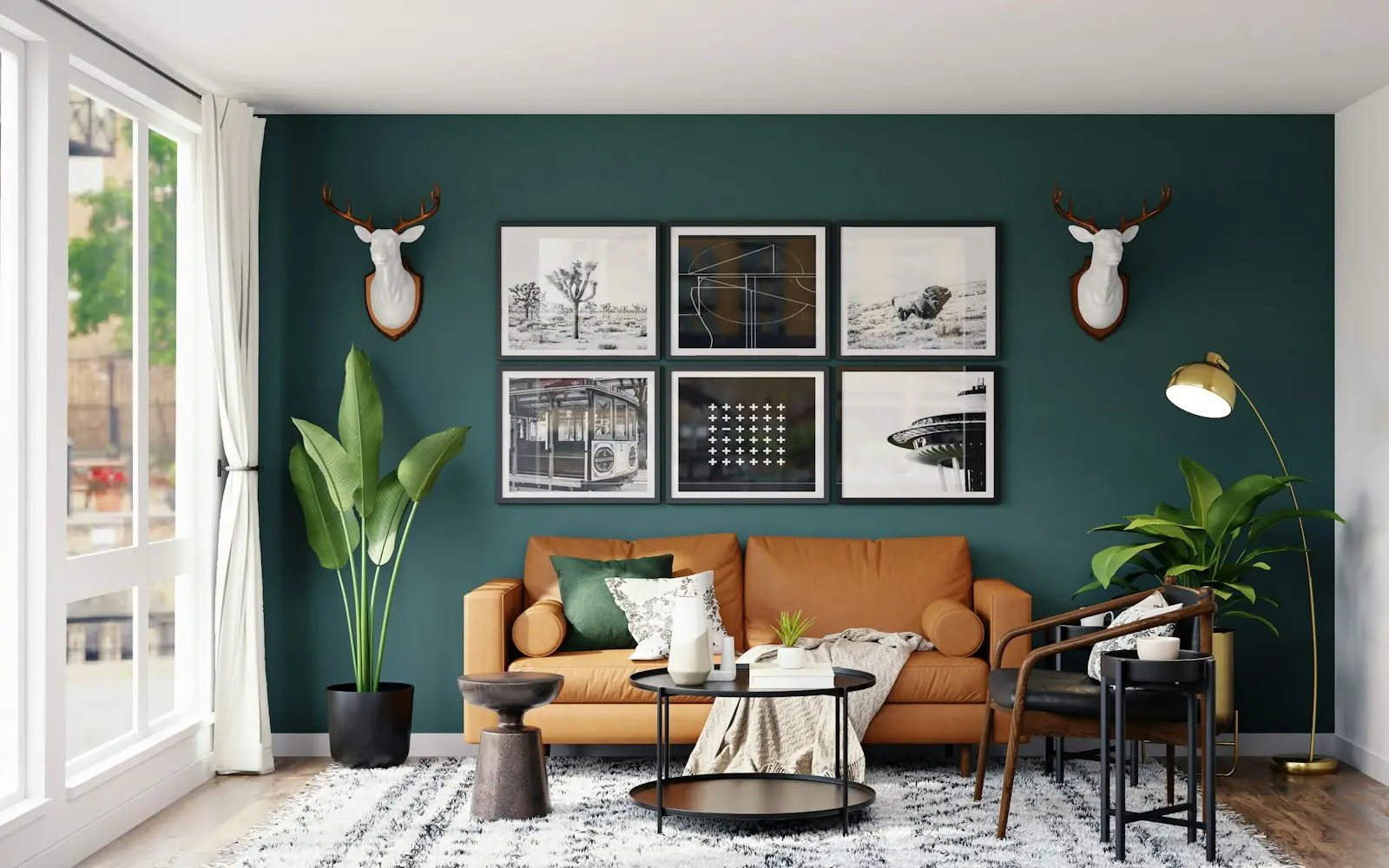
- Vintage containers: old crocks, galvanized buckets and terracotta all suit the farmhouse look (just use a nursery pot inside).
- Go big once: one large floor plant in a basket does more than five tiny pots.
- Trail from up high: pothos and philodendron on top of bookshelves or a kitchen open shelf.
- Group in odd numbers at varying heights on a tray or plant stand.
Ready to try outside? Our beginner gardening tips are written for the same black-thumb crowd. And see how plants fit into our modern farmhouse living room.
Signs your plant needs something different
| What you see | Likely cause | What to do |
|---|---|---|
| Yellow, soft lower leaves | Overwatering | Let it dry out more; check the pot drains |
| Crispy brown edges | Underwatering or dry air | Water more thoroughly; group plants together |
| Long, leggy stems leaning to the window | Not enough light | Move it closer to a window; rotate weekly |
| Pale or bleached patches | Too much direct sun | Pull it back from the glass or add a sheer curtain |
| Roots out the drainage hole | Root-bound | Repot one size up in spring |
Repotting without the drama
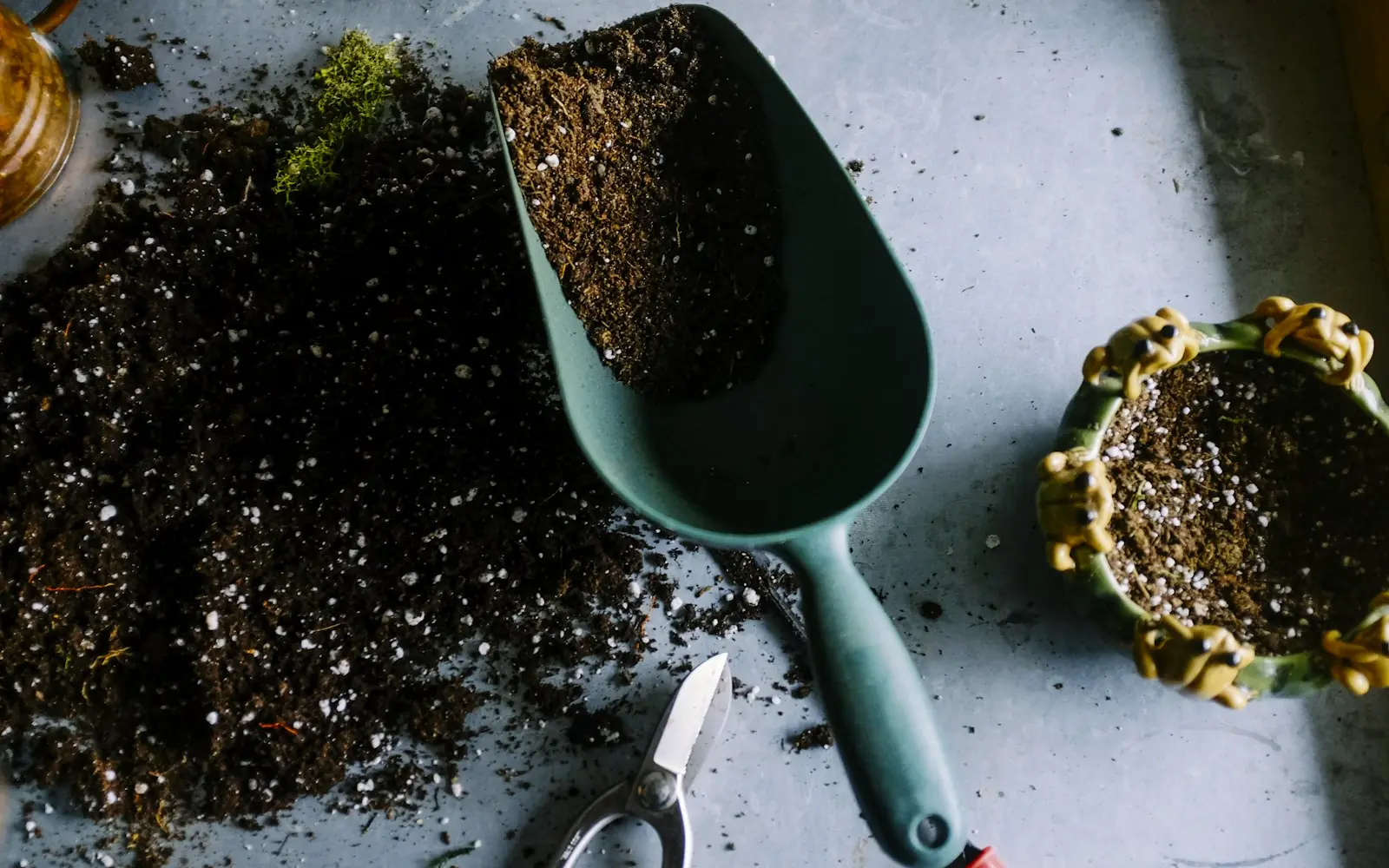
Most houseplants only need a new pot every year or two, ideally in spring when they're actively growing. Go up just one pot size (about 2 inches wider). Use a fresh, chunky indoor potting mix - add a handful of orchid bark or perlite for aroids like pothos and philodendron - and water thoroughly afterward. Then leave it alone for a week or two while it settles in. A little droop after repotting is normal.
Feeding and cleaning
Feed with a diluted liquid houseplant fertilizer once a month from spring through summer, and not at all in winter when growth slows. Every month or so, wipe big leaves with a damp cloth - dust blocks light, and shiny leaves look so much better in photos (and in real life).
Frequently asked questions
What is the easiest houseplant to keep alive?
Snake plants and ZZ plants are the toughest - they tolerate low light, irregular watering and dry air. Pothos is a close third and grows quickly, which is encouraging for beginners.
How often should I water houseplants?
There's no universal schedule. Water when the top inch or two of soil is dry for most plants, and let succulents, snake plants and ZZ plants dry out almost completely between waterings.
What houseplants are safe for pets?
Spider plants, Boston ferns, parlor palms, calatheas and peperomias are generally considered non-toxic to cats and dogs. Pothos, snake plants and ZZ plants are toxic if eaten.