The short version
- Start with a cordless drill/driver, a good tape measure, level, stud finder and utility knife.
- Add a putty knife set, caulk gun and sanding sponges for most cosmetic projects.
- Pick one battery platform and stick with it.
- Rent big, rarely used tools: tile saws, floor sanders, stump grinders.
When we bought our first fixer-upper, we owned a hammer, a screwdriver with a broken handle and a lot of optimism. Four houses later, our garage is... fuller. But the truth is, a small set of good tools handles 90% of home projects. If you're a new homeowner, here's the starter kit we'd build again.
The core five
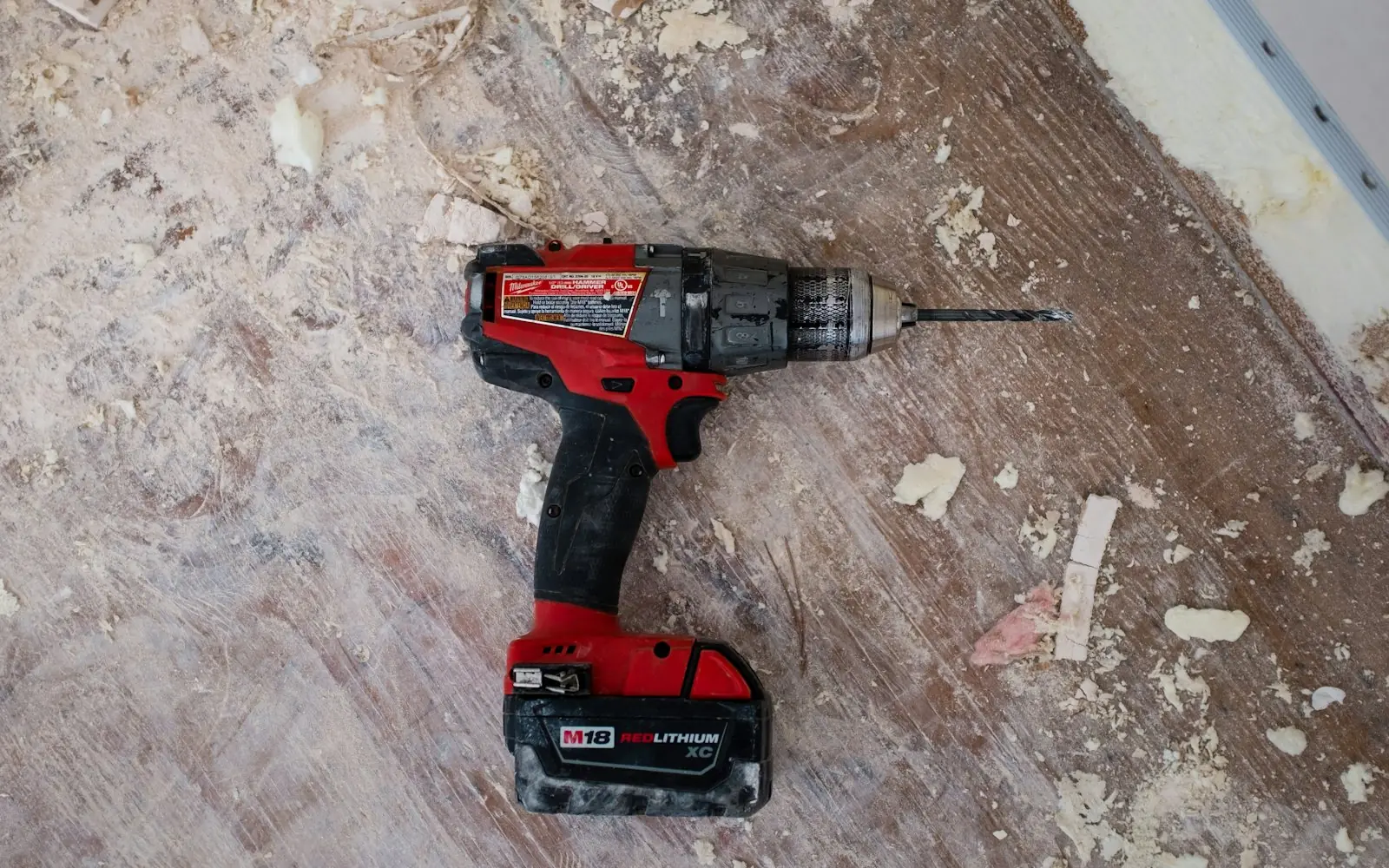
- Cordless drill/driver. The workhorse. Get a brushless 18-20V model with two batteries. Pick one battery platform and stick with it.
- 25-ft tape measure. One with a wide, stiff blade that stands out several feet.
- Level. A 24" level for shelves and frames plus a small torpedo level. (A laser level is a great upgrade.)
- Stud finder. For anything heavy on a wall - TVs, shelves, mirrors.
- Utility knife. With a pack of spare blades. Change them often.
For cosmetic projects (where DIY saves the most)
The finishing kit
- Putty knives: 1.5", 3" and 6"
- Smooth-trigger caulk gun
- Sanding sponges (fine and medium)
- Quality 2" angled paint brush
- Paint roller frame + tray
- Painter's tape and drop cloths
- Grout sponge (also great for schmearing!)
- Spackle and joint compound
That 6" putty knife and grout sponge? They did our entire German schmear fireplace. The caulk gun handled re-caulking the tub.
For the yard
- Pointed shovel and a flat spade
- Long-handled loppers and hand pruners
- Mattock (for roots - see our shrub removal guide)
- Garden fork for working compost into clay
- Wheelbarrow
Nice to have, later
- Circular saw or miter saw
- Oscillating multi-tool (amazing for cutting trim, grout and caulk)
- Shop vacuum
- Orbital sander
Rent, don't buy
Wet tile saws, floor sanders, pressure washers, stump grinders and paint sprayers are all available from big-box stores and local rental shops for a day or a weekend - usually a fraction of the purchase price.
Budget your tool kit
DIY Project Budget Planner
| Item | Qty | Unit price |
|---|
Your list saves automatically in this browser. Nothing is sent anywhere.
How to store tools so you actually use them
A tool you can't find is a tool you'll buy twice. We keep a single rolling tote with the "everyday" kit - drill, bits, tape, level, knife, screwdrivers, pliers, a few putty knives - in the hall closet, and everything else on pegboard in the garage. Label battery chargers and keep spare batteries charged.
Our "first apartment / first house" gift kit
When friends buy their first house, this is the kit we give them:
- Cordless drill with a bit and driver set
- 25-ft tape measure and a torpedo level
- Stud finder
- Utility knife and a 6-in-1 painter's tool
- Assorted wall anchors and picture-hanging kit
- A copy of the number for a good local handyman, because some jobs aren't worth doing yourself
Safety gear belongs in the kit
Safety glasses, hearing protection, a dust mask or respirator, work gloves and a basic first aid kit. If you're sanding old paint, assume it could contain lead until you've tested it.
Frequently asked questions
What is the first power tool a homeowner should buy?
A cordless drill/driver. You'll use it to hang shelves, assemble furniture, install hardware, mix small batches of mortar or paint with an attachment, and countless other jobs.
Should I buy a tool set or individual tools?
A basic hand-tool set is a good start for screwdrivers, pliers and sockets, but buy key tools - tape measure, level, utility knife, drill - individually so you get quality where it matters.
What tools should I rent instead of buying?
Anything big, expensive and occasional: wet tile saws, floor sanders, pressure washers, stump grinders, carpet cleaners and paint sprayers for one-off jobs.